Brigstock Road garden maintenance tips from local gardeners
If you live on or near Brigstock Road, you already know the rhythm of a London garden: a little sun, a fair bit of shade, the odd burst of growth after rain, and then, somehow, a lawn that needs attention again before you've even put the tools away. That is exactly why Brigstock Road garden maintenance tips from local gardeners are so useful. They are not vague "garden guru" ideas. They are the small, practical habits that help a front or rear garden stay tidy, healthy, and manageable in real life.
In this guide, you'll find clear advice on what works locally, what tends to go wrong, and how to keep on top of the jobs without turning every weekend into a battle with weeds and clippings. We'll also cover seasonal routines, common mistakes, and when it makes sense to bring in professional help for heavier tasks like hedge cutting, lawn care, or a full tidy-up through garden maintenance services or a more substantial garden clearance.
Truth be told, most gardens don't need perfection. They need consistency. And that is where local experience matters.
Table of Contents
- Why Brigstock Road garden maintenance tips from local gardeners Matters
- How Brigstock Road garden maintenance tips from local gardeners Works
- Key Benefits and Practical Advantages
- Who This Is For and When It Makes Sense
- Step-by-Step Guidance
- Expert Tips for Better Results
- Common Mistakes to Avoid
- Tools, Resources and Recommendations
- Law, Compliance, Standards, or Best Practice
- Options, Methods, or Comparison Table
- Case Study or Real-World Example
- Practical Checklist
- Conclusion
- Frequently Asked Questions
Why Brigstock Road garden maintenance tips from local gardeners Matters
Brigstock Road gardens tend to face the same broad set of conditions you see across much of South London: modest outdoor spaces, mixed light, compact soil in places, and plenty of pressure from trees, fences, neighbouring growth, and changing weather. None of that is a problem on its own. But together, it means gardens can slip from "fine" to "messy" very quickly if you only look at them once in a while.
Local gardeners tend to focus on prevention rather than rescue. That is the big difference. A quick trim before growth gets out of hand is easier than trying to fix an overgrown hedge later. Light, regular lawn mowing is better than a hard cut after weeks of neglect. A few minutes of weeding after rain is much easier than wrestling a whole bed that has gone wild and woody. Small jobs. Regularly. Nothing glamorous, but it works.
And let's face it, a tidy garden changes how a home feels. It lifts the whole place. You notice it when you open the back door and the first thing you see is a neat border instead of a tangle of stems and a rogue pile of leaves. It just feels calmer.
There's also a practical side. Routine maintenance helps protect paving, decking, fences, and planting beds from damage caused by damp debris, unchecked roots, or blocked drainage. If your garden includes hard landscaping, it may be worth linking maintenance with occasional checks on features such as landscaping work or decking services so small issues do not become expensive ones.
How Brigstock Road garden maintenance tips from local gardeners Works
Good garden maintenance is less about one big effort and more about a repeating pattern. Local gardeners usually work with the seasons, the type of planting, and the pace at which each part of the garden grows. A lawn may need frequent attention in spring and early summer, while hedges might be better tackled at specific points in the year depending on species, nesting activity, and how quickly they fill out.
The basic method is straightforward:
- Inspect the space regularly.
- Remove obvious waste, leaves, and dead growth.
- Cut back what is becoming unruly.
- Feed, water, or mulch where needed.
- Check for damage, pests, or patchy areas.
- Keep records of anything that needs a bigger job later.
That last step is underrated. If you notice the same patch of lawn thinning every month, or one side of a hedge always shoots ahead of the rest, you start to see patterns. Patterns are useful. They help you work smarter instead of simply working harder.
Local gardeners also tend to adjust their approach for the realities of London gardens. A small enclosed garden may dry out differently from an open one. Shade from neighbouring trees can change what thrives. Wind funnels can snap fresh growth. Even the timing of mowing or pruning matters if you want tidy results without stressing the plant. It is a bit of a puzzle, but a manageable one.
If the garden has become cluttered after winter storms, family events, or a long period of neglect, a one-off reset through garden clearance can make maintenance easier to restart. That is often the turning point for homeowners who feel they are forever playing catch-up.
Key Benefits and Practical Advantages
There are several clear advantages to following maintenance advice from people who work in gardens locally, rather than relying on generic tips that could apply anywhere and nowhere.
- Better timing: Jobs are done when they are most effective, not just when you finally get around to them.
- Less waste: You avoid cutting too much, removing healthy growth, or making extra work later.
- Healthier plants: Regular care supports strong growth, better airflow, and fewer pest and disease issues.
- Cleaner appearance: Even small gardens look brighter and more welcoming when they are kept in shape.
- Lower stress: Maintenance becomes a routine instead of a dreaded full-day project.
- Better value: You reduce the need for costly corrective work, especially for hedges, lawns, and overgrown borders.
There is also the benefit of realism. A local gardener is more likely to suggest a plan you can actually keep up with. Not every household wants weekly pruning or a fancy planting schedule. Some people just want the garden neat, safe, and pleasant to sit in after work with a cup of tea. Fair enough, really.
If you want broader support across different garden tasks, it can help to look at services overview pages that explain what is normally included in regular upkeep, so you can match the level of care to your garden's actual needs.
Who This Is For and When It Makes Sense
This advice is useful for a lot of people. Homeowners with small rear gardens, landlords keeping a property presentable between tenancies, older residents who want the work handled safely, and busy families who can manage only light maintenance themselves. It also suits people who have inherited an overgrown garden and want a sensible recovery plan rather than a dramatic weekend of chaos and backache.
It makes particular sense if you recognise any of these situations:
- You are mowing, trimming, or weeding more often than expected.
- The garden looks untidy soon after you have worked on it.
- Hedges are beginning to block light or spill over paths.
- Leaves, branches, or clippings keep building up.
- You are not sure which jobs are safe to do yourself.
- The garden has both soft landscaping and hard features that need different care.
Some people only need a seasonal refresh. Others need ongoing support. There is no shame in either. In fact, knowing which one you need is half the battle.
For lawns specifically, regular care is often easier to manage than occasional rescue work. If grass is one of the main problem areas, professional lawn mowing support can keep the whole garden looking more orderly with less effort on your side.
Step-by-Step Guidance
Here is a practical way to maintain a Brigstock Road garden without overcomplicating it.
1. Start with a clear walk-through
Walk the garden slowly and look for anything that has changed since the last time you checked. Overgrown edges, weeds in cracks, broken stems, compacted areas, and piles of leaf litter all tell you something. If you can hear dry twigs underfoot or see the green fading to dull brown in patches, that is usually a sign the space needs attention.
2. Deal with waste first
Clear away fallen leaves, dead plants, and loose debris before you start cutting. It sounds obvious, but working around clutter makes the job harder and less accurate. You also see the real structure of the garden much more clearly once the surface mess is gone.
3. Mow or strim where needed
Cut grass before it gets too long. If you wait too long, the lawn can become uneven, thick, and awkward to recover. Use a sensible cutting height rather than taking off too much at once. That is one of the easiest mistakes to make, and yes, everyone does it at least once.
4. Trim hedges and soft growth carefully
Hedges should be trimmed to keep their shape and prevent them swallowing up paths, fences, or neighbouring boundaries. A tidy hedge is not just about looks. It improves access, light, and airflow. If the hedge has become dense or leggy, smaller cuts over time are usually safer than a heavy one-off hack.
5. Weed before it seeds
Weeding is much easier when done early. Pulling or hoeing young weeds after rain is more efficient than waiting until they have rooted deeply. Focus on border edges, paving joints, and any shady spots where weeds seem to love settling in.
6. Feed and mulch where appropriate
Healthy soil supports healthier plants. A simple mulch can help hold moisture, suppress weeds, and improve the look of beds. You do not need to overdo it. A little, applied well, usually beats a lot scattered loosely about.
7. Check for safety issues
Look at paths, steps, edging, fences, and any low branches. A garden should be pleasant, but it should also be safe. Slippery surfaces, loose slabs, or dangling branches are the kind of thing you do not want to ignore until someone catches a foot or scratches a shoulder.
8. Finish with a reset
Put tools away, bag waste, and step back. The final check matters because it shows what still feels off. Often it is a small thing: one uneven corner, one missed patch, one bin bag that needs moving. Sorting it straight away keeps the whole place looking polished.
Expert Tips for Better Results
Local gardeners tend to rely on a few practical habits that save time and improve results.
- Cut little and often: Small trims look more natural and are kinder to plants than dramatic cuts.
- Work with the weather: Dry, calm days are better for mowing, pruning, and applying feed or mulch.
- Watch what grows fastest: In many gardens, one hedge, one climber, or one corner bed will always take off first. Prioritise that area.
- Keep edges crisp: Even when the garden is not perfect, clean edges make the space look cared for.
- Use waste removal properly: Clippings left in heaps can smell, compact, and attract pests. Not ideal.
- Do the boring jobs regularly: Sweeping, light weeding, and basic tidying often make the biggest visible difference.
A small but useful tip: if you are not sure whether a hedge or shrub is ready for a harder cut, pause and inspect the shape from several angles. Walk around it. You can usually tell whether it needs a trim or a recovery plan. That extra minute can save a season of regret.
For larger shrubs, trees, or anything near overhead lines and boundary structures, it may be safer to get support from specialists in tree lopping and removal rather than treating it like a quick DIY job.
Common Mistakes to Avoid
Even experienced homeowners slip into these habits, so do not feel singled out if a few of them sound familiar.
- Cutting too much at once: Severe pruning can shock plants and leave them looking thin or stressed.
- Ignoring the edges: Borders, paths, and fence lines show neglect faster than the centre of the lawn.
- Letting weeds flower: Once weeds seed, the problem often spreads much faster.
- Using blunt tools: Ragged cuts look untidy and can damage plant tissue.
- Leaving clippings to rot: It encourages damp, smells, and messy surfaces.
- Forgetting drainage and shade: A garden that stays wet or dark needs a different approach from one that gets full sun.
One mistake people make is trying to solve a maintenance issue with a single heroic burst of energy. You know the type: half a Saturday, one broken rake, a sore shoulder, and a garden that looks good for about five days. A steadier routine wins almost every time.
If the garden is simply too far gone for routine upkeep, it may be better to reset it first, then return to a maintenance schedule. That is where a combined plan can make sense.
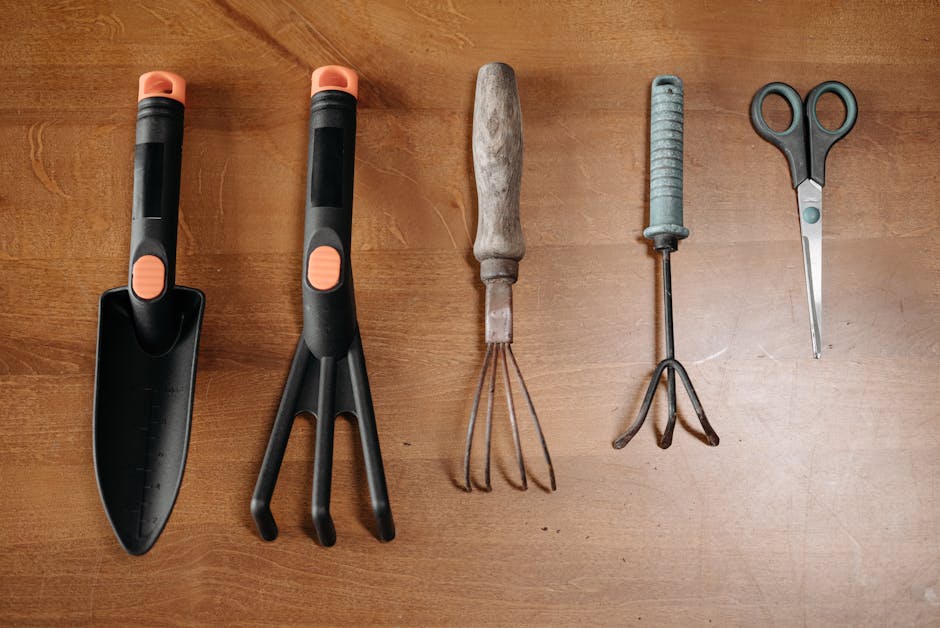
Tools, Resources and Recommendations
You do not need a shed full of specialist kit to maintain a modest garden well. The essentials are usually enough.
- Sharp secateurs: For light trimming and deadheading.
- Long-handled shears: Useful for hedge shaping and general tidying.
- Lawn mower or strimmer: Depending on lawn size and layout.
- Fork or hand fork: Helps with compacted soil and stubborn weeds.
- Rake and broom: For leaves, clippings, and debris.
- Heavy-duty bags or bins: For safe and tidy waste handling.
- Gloves and eye protection: Basic, sensible, easy to overlook. Don't.
For homeowners who want to understand the scope of support available, it can be useful to review pricing and quotes information before booking anything. That does not mean you need exact figures in advance, but it does help you think about what kind of work is routine, what is remedial, and what is a larger project.
It is also worth paying attention to sustainability. Cutting back waste, composting where practical, and avoiding unnecessary replacement work can make a real difference over time. If that matters to you, the site's recycling and sustainability page is a good place to understand the approach to garden waste and responsible practice.
Law, Compliance, Standards, or Best Practice
Garden maintenance is usually straightforward, but there are a few best-practice points worth keeping in mind in the UK. If you are managing a shared boundary, tenants' garden, or a property with trees and larger hedges, it is sensible to be careful about ownership, access, and the timing of work. If in doubt, check before cutting. Neighbourly issues are easier to prevent than resolve.
There are also safety considerations. Working at height, using powered tools, lifting heavy waste, or cutting near unstable structures all bring risk. Good practice is simple: use the right tool, wear sensible protection, and do not push through a job that feels unsafe. That sounds plain, but people forget when they are eager to get the job done on a bright Saturday morning.
If you are hiring help, it is reasonable to ask about insurance, risk awareness, and safe working methods. You can look at pages such as insurance and safety and the health and safety policy to get a feel for how a professional provider approaches responsible garden work. For service expectations and customer process details, the terms and conditions and complaints procedure pages can also be useful. Not glamorous reading, admittedly, but practical.
For business details, service standards, and who is behind the work, the about us page can help build trust before you decide. And if you need to ask a question directly, the contact page is there for that next step.
Options, Methods, or Comparison Table
Different gardens need different levels of care. Here is a simple comparison of common maintenance approaches.
| Approach | Best for | Pros | Limits |
|---|---|---|---|
| DIY light maintenance | Small, tidy gardens with manageable growth | Low cost, flexible, good for quick jobs | Can become inconsistent if you are busy |
| Seasonal tidy-up | Gardens that look fine most of the year but need periodic resets | Fast visible improvement, practical for busy households | Does not prevent regrowth between visits |
| Regular maintenance schedule | Gardens that need ongoing control, especially lawns and hedges | Consistent results, less stress, healthier planting | Requires planning and a recurring budget |
| Clearance plus maintenance | Overgrown or neglected spaces | Resets the garden and makes future upkeep easier | Heavier work at the start |
The right choice usually depends on time, budget, and the garden's current condition. If you are unsure, a short assessment is often more helpful than guessing. That is especially true where the garden has mixed features like turf, paving, beds, hedging, or timber structures.
Case Study or Real-World Example
A common Brigstock Road scenario goes like this. A homeowner keeps the front garden neat enough, but the rear garden quietly gets out of hand during a busy few months. The lawn grows long, the hedge starts leaning into the path, weeds settle into the borders, and by the time they look again, it feels like too much all at once. We've all seen it.
The fix is rarely dramatic. First, clear the loose debris and cut the grass back to a sensible level. Then deal with the hedge, but in stages rather than with a heavy cut. Weed the edges, tidy the borders, and check whether any sections of the garden need a different plan because of shade or poor drainage. If there are also old clippings, broken branches, or general clutter, a more thorough reset through garden clearance can take the pressure off.
What usually changes the most is not just appearance, but confidence. Once the garden feels manageable again, people tend to stay on top of it. It becomes easier to mow every couple of weeks, trim lightly when growth appears, and stop problems before they spread. That is the whole point, really.
A local gardener's advice in this situation is often simple: do less at once, but do it more regularly. Annoyingly sensible, and effective.
Practical Checklist
Use this quick checklist to keep your Brigstock Road garden in good shape.
- Walk the garden once a week or after heavy rain.
- Remove leaves, fallen twigs, and obvious debris.
- Mow the lawn before it becomes difficult to manage.
- Trim hedges and overgrowth in small stages.
- Pull or cut weeds before they seed.
- Check paths, steps, and edges for safety issues.
- Inspect plants for yellowing, damage, or pest signs.
- Keep tools sharp, clean, and stored properly.
- Bag or compost green waste promptly.
- Book professional help when the job becomes too heavy or time-consuming.
Expert summary: The best Brigstock Road garden maintenance tips from local gardeners are the ones you can repeat. Short sessions, sensible timing, and small corrections keep a garden looking cared for without turning maintenance into a full-time hobby.
Conclusion
Brigstock Road garden maintenance works best when it is practical, local, and steady. That means understanding how your space grows through the seasons, choosing small jobs before big ones, and keeping an eye on the bits that usually get overlooked: edges, waste, shade, drainage, and safety. None of that is flashy. But it is exactly what keeps a garden looking good month after month.
The most useful takeaway is simple: maintain the garden you actually have, not the one in your head. Some spaces need little and often. Some need a reset first. Either way, a local, grounded approach will save time and reduce stress in the long run. And honestly, that's what most people want, isn't it?
If you're ready to get your outdoor space back under control, talk through your options, compare the right level of help, and take the next step when it feels right.
Get a free quote today and see how much you can save.
Frequently Asked Questions
How often should a garden on Brigstock Road be maintained?
Most gardens benefit from light weekly attention and a more thorough check every couple of weeks during the growing season. Lawns and hedges may need extra care in spring and early summer, while autumn usually brings more leaf clearing and general tidy work.
What are the most important garden maintenance tasks for a small London garden?
The main jobs are mowing, weeding, hedge trimming, clearing debris, and checking for drainage or safety issues. In small gardens, edges and surfaces make a big visual difference, so a tidy finish matters more than people think.
Is it better to do garden maintenance yourself or hire a local gardener?
If the garden is small and straightforward, DIY maintenance can work well. If it has become overgrown, includes tall hedges, or needs regular upkeep you cannot keep on top of, hiring help is often more efficient and less stressful.
What should I do if my garden has become overgrown?
Start with clearance. Remove waste and cut back the worst growth first, then return to regular maintenance once the space is manageable again. Trying to fix everything in one go can lead to uneven results and more fatigue than necessary.
Can hedge trimming be done at any time of year?
Not always. The right time depends on the hedge type, how fast it grows, and whether nesting birds may be present. A careful, staged trim is usually better than a heavy cut, especially if the hedge is already stressed or patchy.
What is the difference between garden clearance and garden maintenance?
Garden clearance is for larger resets: removing bulky waste, severe overgrowth, or accumulated debris. Garden maintenance is the ongoing work that keeps the space tidy after it has been brought under control. They often work best together.
How do I keep weeds under control without spending all weekend on them?
Deal with weeds early, especially after rain when roots are easier to remove. A short, regular weeding session is far more effective than leaving them until they are well established. Mulching can also help reduce new growth in borders.
Are there safety issues I should think about before gardening myself?
Yes. Take care with ladders, powered tools, heavy waste, and anything near unstable structures or overhead hazards. If a task feels awkward or risky, it is wiser to stop and reassess than to push through it.
What garden maintenance tasks add the most visual improvement quickly?
Clearing debris, mowing the lawn, straightening edges, and trimming overgrowth usually have the biggest immediate effect. Even a slightly neglected garden can look much better once those basics are done well.
How can I tell if my garden needs a one-off tidy or ongoing maintenance?
If the space becomes messy but is easy to recover, a tidy-up may be enough. If growth keeps returning quickly, or you are always behind on the same jobs, a regular maintenance plan will usually save time and effort.
Should I ask about insurance before hiring a gardener?
Yes, that is sensible. It is normal to ask about insurance, safety practices, and how the work will be handled. Responsible providers should be open about that, and it helps you feel more confident before booking.
What if my garden has decking, trees, or landscaping features as well?
Then it is worth treating the garden as a whole rather than only focusing on the lawn or beds. Decking, trees, and hard landscaping all need different kinds of care, and a mixed outdoor space usually benefits from a broader maintenance plan.
Where should I start if I do not know what needs doing first?
Start with what affects safety and access: debris, slippery areas, overgrowth on paths, and anything blocking movement. After that, deal with the most visible areas. A calm, ordered start makes the rest much easier.